Author: Maureen Gardner

Clara’s Studio

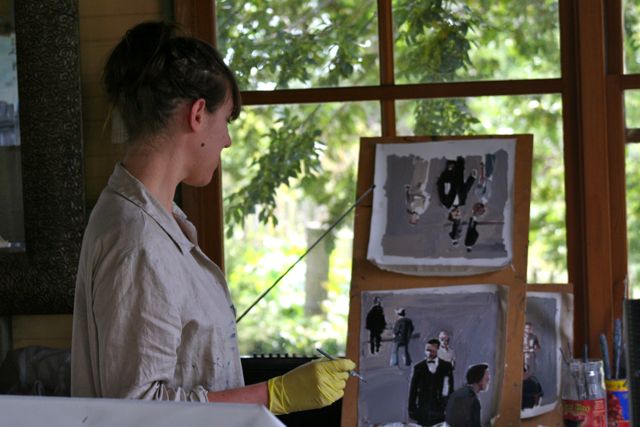
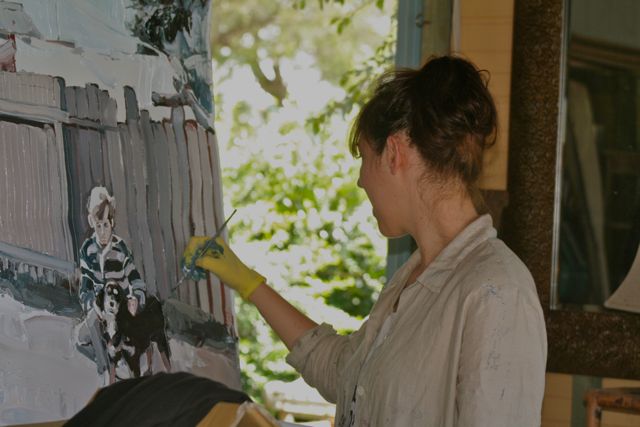
IMG_9897Since opening The Potting Shed a few weeks ago, I have had very little time for my garden at home and so my other potting shed which overlooks our kitchen garden is sitting empty and forlorn.  Through one of those “six degrees of separation” instances I had a call from a gorgeous young local artist, Clara Adolphs. She had heard from a friend that I had a studio to rent.  Actually no, I said, I was looking for a live-in gardener to manage my garden now that I was back full time at work …  but as luck would have it, my potting shed was now empty and had a lovely view and would she like to work from there in return for minding my dogs while I was at work. She came and loved the space and moved in with her easel and paints and set to work. Perfect.  The potting shed has a new use and has been renamed ‘Clara’s Studio’, the dogs are delighted and we have our own super talented ‘resident artist’.  We feel very grown up!   IMG_9898 IMG_9900

You can view more of Clara’s works at Mick the Gallery, 44 Gurner Street in Paddington, open Tuesday to Saturday 10-6pm. www.mickthegallery.com


Plant lots of strawberries!

IMG_7137

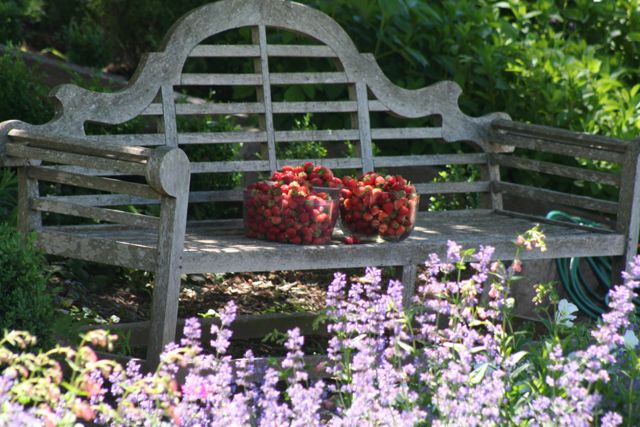
This will make my friend Guy laugh.  He once estimated that I would harvest 1 million strawberries per summer based on the number of plants I had throughout the garden.  Seven years ago when we started the garden from scratch, I was searching for a suitable plant to edge the many beds and borders I had created. Budget-wise it was a bit overwhelming. Then I had a bright idea.  I had purchased 6 strawberry plants from the local nursery almost the minute we moved in and that first autumn they sent out runners everywhere so I snipped them all off and replanted them along the edges. Soon the new plants sent out runners which were transplanted and so on, and  before I knew it there were (literally) thousands of strawberries woven through the garden.  Inexperienced then in the ‘really large garden’ metier, I soon discovered this pretty and productive edging wasn’t as co-operative as I had thought. The strawberries invaded everywhere and one really wet summer they took off … it was like The Day of the Triffids! They threaded themselves through the roses, into the shrubberies, all over the vegetable garden, spilled over banks and out onto pathways.  It was a disaster.  There was so much fruit the birds even stopped eating them!   So out they came.  Weekend after weekend I hauled plants out. But not before we’d enjoyed a series of summers of buckets and bowls of fresh, delicious fruit which was turned into jams and sauces … but mainly daiquiris!   The variety I had started with was an old favourite,  Red Gauntlet.  Not popular with commercial growers these days as they are prone to little bumps and imperfections, but to me they are still one of the most delicious.  I’ve tried over twelve other varieties and none are as hardy and fulsome in flavour, especially for jam.

IMG_0810 IMG_4775 IMG_4870 IMG_7136 IMG_8599 IMG_8600 IMG_8601 IMG_8602

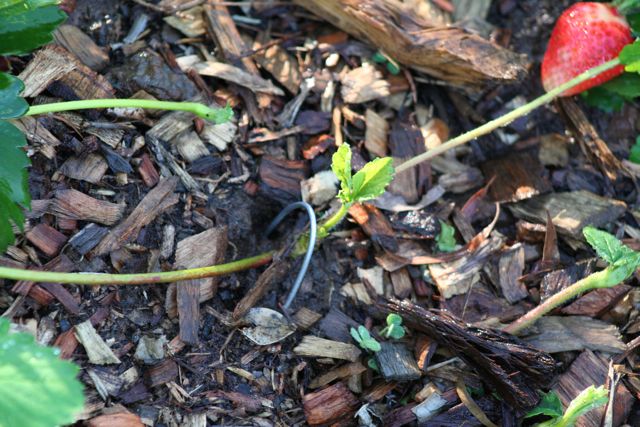
It’s really easy to increase your crop by pinning down the runners in the position you want them and a new plant quickly forms.  Strawberries are only really good for two years, so plant the runners in the alternate rows and let them grow up and remove the old row every second or third year.  They are hungry feeders so add a good organic fertiliser and mulch well, laying clean straw under the plants so the strawberries don’t get muddy and rot in the wet.

IMG_9850

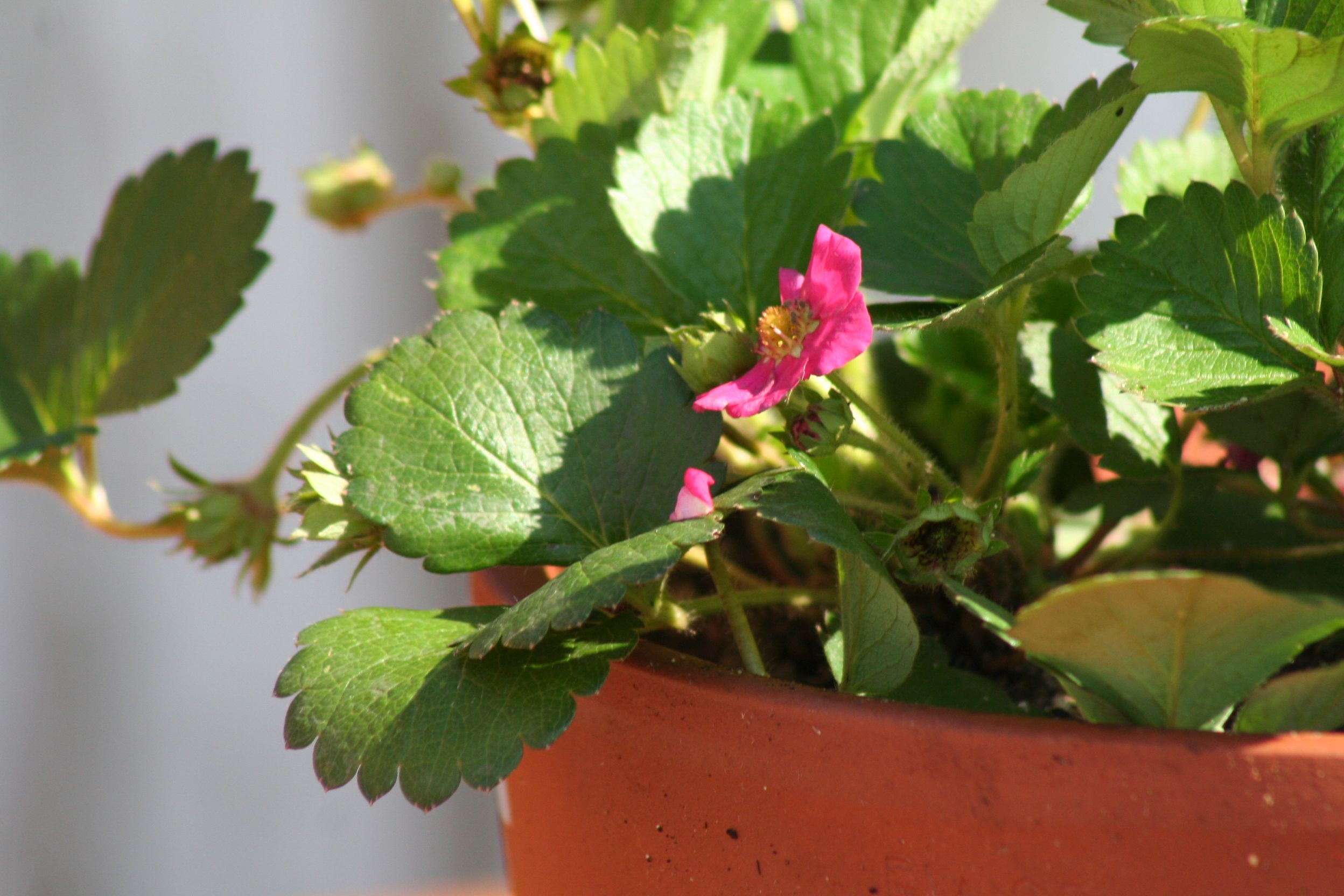
We have some lovely pink flowering strawberries in stock at The Potting Shed (sorry, can’t remember the variety) and they are sending out runners all over the place, so for $4 you actually get about 6 or 8 plants! And the pink flowers are really lovely for a change.  We also have in stock really substantial plants of Alchemilla mollis which is now my main edging plant, thanks to advice from my friend and expert gardener, Wendy Butcher from the amazingly beautiful ‘Orchard Garden’ in Central Otago, New Zealand.  Who couldn’t believe I was using strawberries.  “Haven’t you heard of Lady’s Mantle?” she asked, in disbelief.  “It’s the perfect edging plant”

It is a beautiful plant and surprisingly hardy, even through this fierce summer she has held up wonderfully but definitely prefers a little bit of dappled shade.  Alchemilla mollis, Lady’s Mantle, is an herbaceous perennial plant native to southern Europe and grown throughout the world as an ornamental garden plant.  More on her another day.  IMG_9848 IMG_9849

Thought for the day.

This morning as I set about my daily routine of walking the dogs, letting out the geese and feeding and checking the animals in the early morning mist, I recalled this interesting quote from the wonderful Gertrude Stein. IMG_6492

“Anything one does every day is important and imposing … and anywhere one lives is interesting and beautiful.”
-Gertrude Stein

Think about that.

About a pig.

IMG_8649
IMG_8642
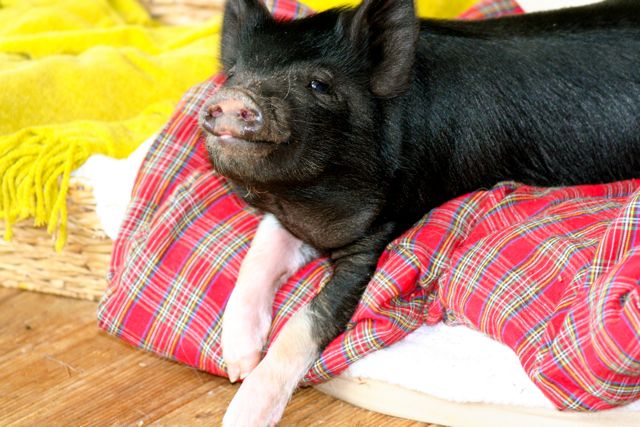
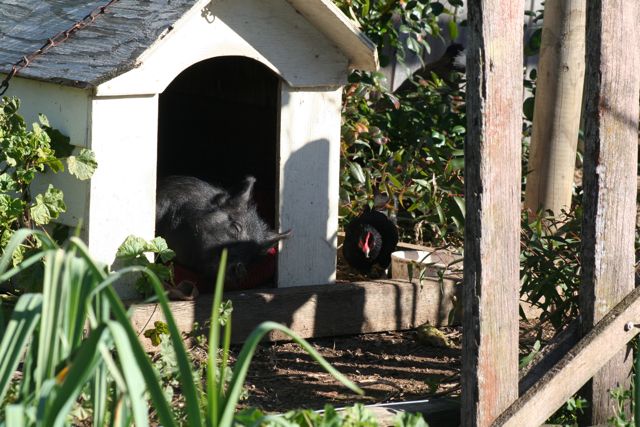
IMG_4550If you walk south from our house, across the lawn, under the Chinese Elms, past the pond and through the hedge to the orchard, you come to Pigley’s House.  There she lives in luxury with the 6 Boer goats we bought to keep her company – Leisl, Gretel, Scarlett, Evie, Fleur, and Matilda.  All is usually happiness and bliss in this part of the world, but recently Pigley split one of her hooves and has been limping, so the vet has been called and she will be sedated in order for a manicure to be conducted!   Not easy to trim the toenails of a 150kg pig and to keep her still for the procedure lots of sedative is required, so the lovely girl at the surgery explained.  At great expense I might add, but what can one do?  A lame pig is not a happy sight.   So before leaving for work yesterday morning, like a guilty mother over-compensating for a sick child, I gave her a treat to take her mind off her sore toe. In the pantry I had spotted a packaged pavlova (I know, I know!) which had been invaded by ants …  and this, added to a large bowl of porridge, was delivered to the patient.  Blissful grunting and groaning followed as Pigley gulped her way through the delicious treat.  Then last night after work, still worried about her wellbeing, I raced over to see how she was coping and took with me the remains of a tub of ice cream I had spied in the freezer, past its prime and with Pigley’s name on it.  She trotted swiftly over (lameness momentarily forgotten) and the still evening air was split by the joyful smacking of lips and gleeful mutterings as her giant snout licked hungrily for ages at the remains of the tub.  She is a big pig with a big personality.  
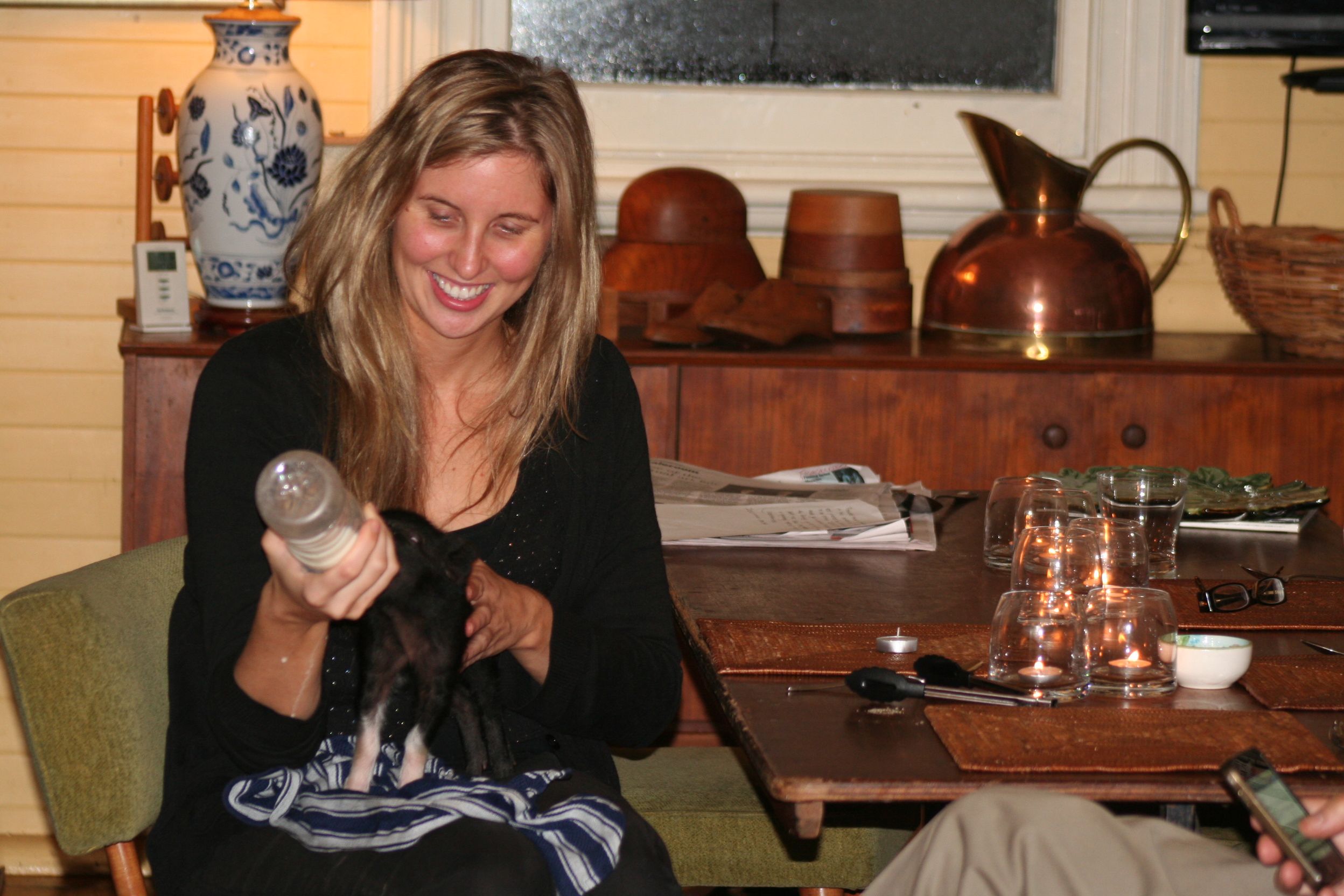
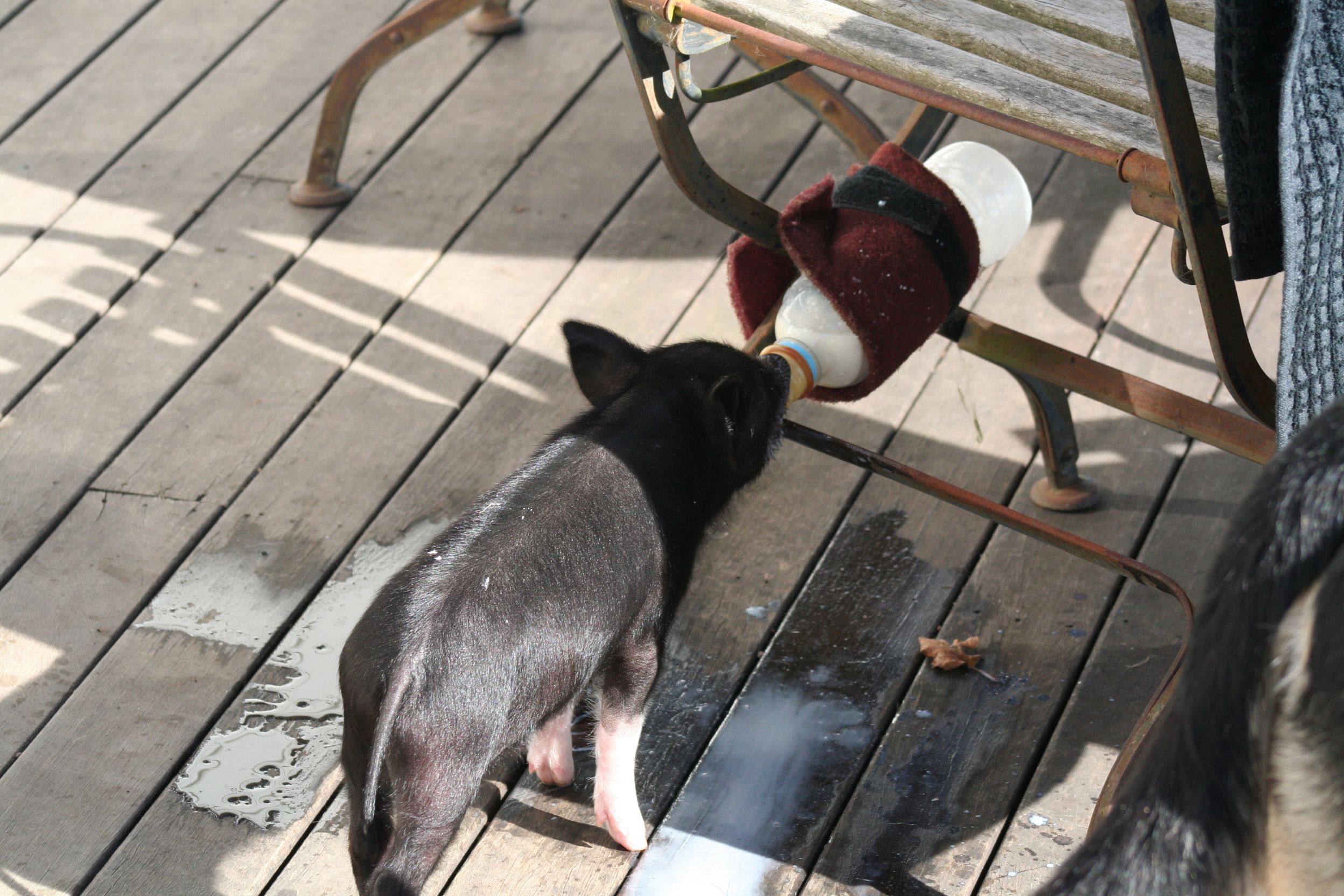
Pigley  was sold to us as a ‘miniature’ pig and from the moment we carried her home from the Burrawang Markets she owned us … never the other way around.   We were conned.  Nothing miniature about this Berkshire piglet.  And, no-one bothered to explain the bit about bottle feeding her every 15 minutes … for 3 months!  If food wasn’t instantly forthcoming she would squeal at the top of her lungs until she got action. I had to take her everywhere, even to Sydney in a little carry crate. Eventually I rigged up a bottle on a chair on the deck so she could feed on demand. We called it the ‘piglet cafe’. She adopted our sheepdog Sam as a surrogate mother and snuggled up each night beside him.  She grew and grew and grew and grew. Soon, too big for the house, we moved her out to live with the chickens and she had a lovely little kennel of her own.  This she quickly outgrew and a bigger kennel was found.  Again, she soon became wedged in the opening. So a new shed was built in the house paddock and she was  transferred over to live with the sheep.  But she hated it and there was no doubt she was quite lonely on her own … she never related to the sheep and was friendless and upset.  Around about then a notice at  the local produce store advertised Boer goats so a call was made and they arrived as cute as buttons on a little truck.  Instantly they bonded with Pigley and a love affair began.  They all sleep together in a large mass of white and tan and black bodies snuggled in Pigley’s giant straw bed.  
This morning I delivered another large bowl of porridge as a last little snack before fasting begins tonight prior to sedation.   I’m incredibly anxious about the whole procedure … what if something goes wrong? I can’t bear to think about it. Instead I must just think about how much happier she’ll be when her feet are in order. Until you’ve known (owned) a pig, you cannot understand their compelling personality and extraordinary intellect, which is ranked second only to dolphins in the animal kingdom.  Winston Churchill knew about pigs. He famously said:    ‘Always remember, a cat looks down on man, a dog looks up to man, but a pig will look man right in the eye and see his equal.’     
I’ll keep you posted about the pedicure. 
IMG_8639IMG_8674 IMG_8688 IMG_8716
IMG_1116
IMG_8750 IMG_8861 IMG_8966
IMG_8745 IMG_9155 IMG_9430
IMG_4812
IMG_4556

Meet my new neighbour

Good morning from The Potting Shed.

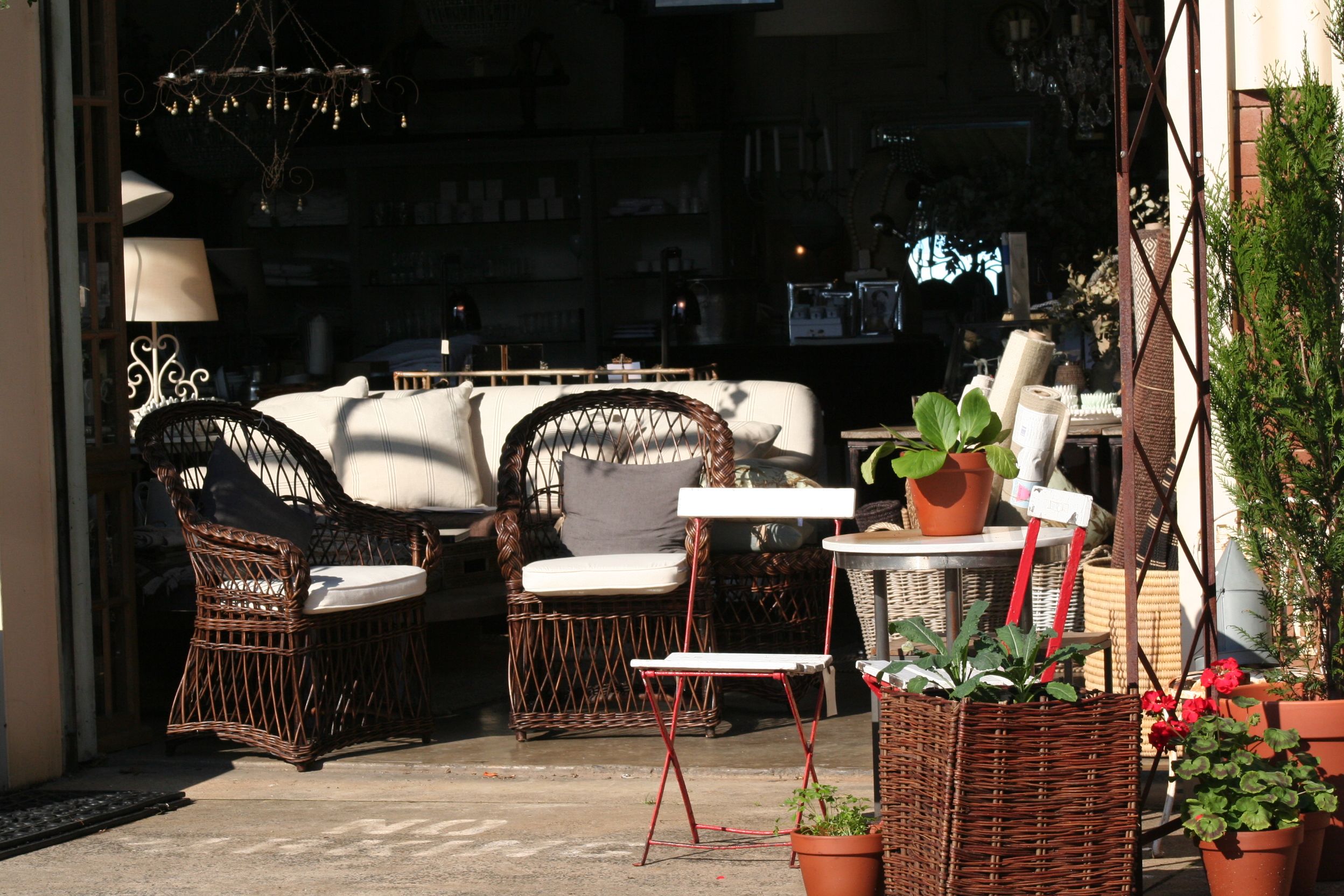
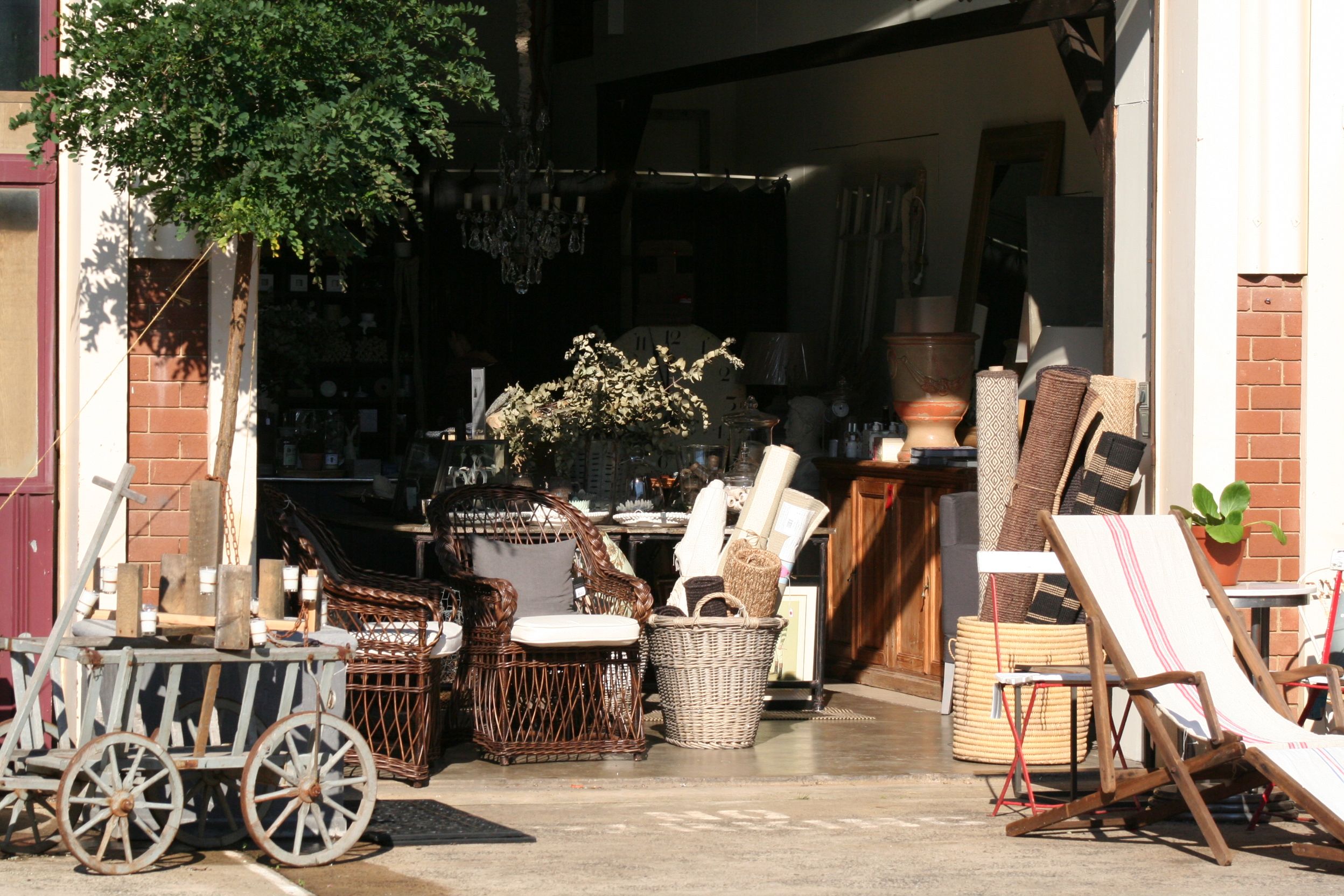
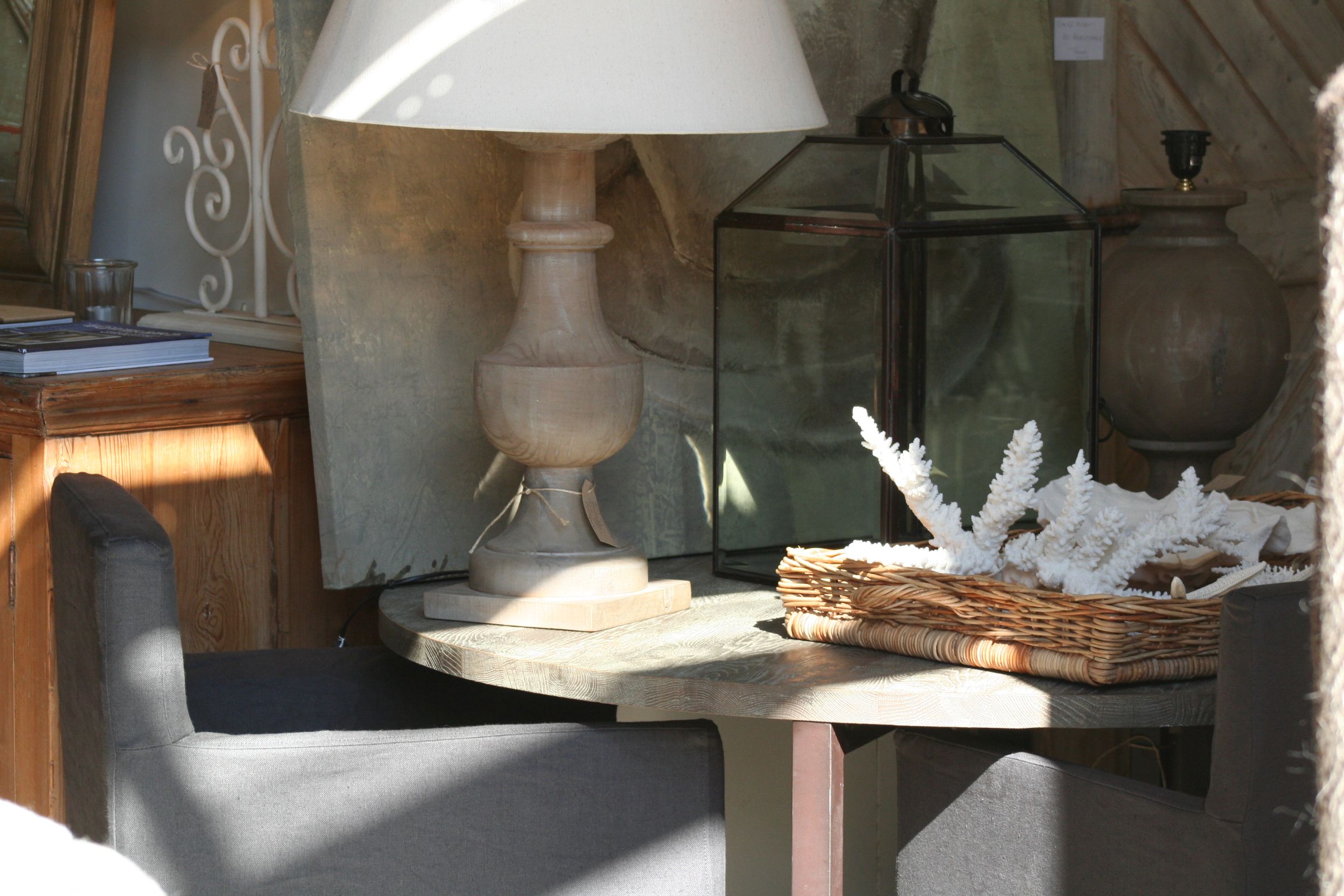
It was a gorgeous day at work yesterday … after drenching rains, sunshine at last! The lovely autumn light bounced softly off the usually severe urban surfaces that surround us and sauntered elegantly into the new shop next door … the studio of the super clever Suzie Anderson. So I couldn’t resist catching a few photos to share with you. IMG_9891 IMG_9889 IMG_9884 IMG_9880 IMG_9876 IMG_9874 IMG_9871 IMG_9868 IMG_9866 IMG_9864 IMG_9862 IMG_9861 IMG_9859


I could just move right into this beautiful space and snuggle up on one of the linen covered,  down filled sofas and read gardening books for the rest of the year! Infused with love and style,  every nook and cranny has Suzie’s expert signature stamped all over it.  Antique chandeliers, lamps, urns and curiosities from France, Belgium, Sweden, America and other places afar,  blend with contemporary homewares, jewellery and art. And floating above and in and around each lovely, carefully selected piece, the aroma of expensive candles and gentle notes of exotic music add that other intangible quality … that sense of immersion, of being transported into another world. Do yourself a favour, come in and experience this special space for yourself.

The rest of the marmalade story!

IMG_0598Yesterday I started to tell you about marmalade but in my haste, I accidentally hit publish before I had finished my story! Then the day flashed by and I had no time to return to it. As I was saying, the damper with marmalade from the new cafe in the Dirty Janes Antique Market, where we are located, is delicious. The marmalade, made by Cath, one of the owners,  was a beautiful, translucent mandarin colour and was tangy and delicious.  I love a good marmalade but it is surprisingly difficult to get one with enough bite.  They’re all too sweet. I’ve hunted high and low and have tried all the usual famous brands, I’ve pounced on home made jars at school fetes, trawled through the Farmers Markets here and in Sydney, scouted through shops in English villages where they should know all about marmalade …  and still I hunger for just the right combo of chunkiness, tartness and aroma.  So I turned to Stephanie Alexander’s Cook’s Companion for help.  There on page 473 she lists this lovely entry:

Seville marmalade from a competent western-district cook.

This recipe came to me from a woman who read of my failure with my first-ever Seville marmalade.  She reminded me that it is most important to use fresh fruit – straight from the tree is ideal. 

Seville oranges, water, salt, sugar.

Thinly slice fruit, having first removed all pips and central membrane.  For every 500g prepared fruit, allow 1.8 litres water and 1/4 teaspoon salt.  Simmer fruit, salt and water until peel is soft and easily squashed.  Allow to rest for 24 hours in a ceramic or stainless steel bowl.  Next day, measure fruit and water into a preserving pan or large stockpot using a cup.  Bring to a boil and for every cup of fruit and water allow an equal measure of sugar.  Return to a boil and cook for 25-30 minutes until setting or jelly stage.  Bottle into hot, sterilised jars.

Reading this tip about ‘straight from the tree is ideal’, brings me to another citrus note. We have just received a lovely delivery of very healthy, vigorous, perky looking orange, lemon, cumquat, grapefruit, blood orange and lime trees.  So if you too are a marmalade lover, you might like to think about putting in your own citrus grove and in a year or two you’ll have enough for your first batch of home-grown, home-made marmalade!

Visit The Potting Shed website for location and contact details.

The marmalade connoisseur

This morning I ordered coffee and damper with marmalade from the lovely new cafe in the Dirty Janes Antique Emporium, where we are located.  It was delicious.  I am a real fusspot when it comes to marmalade …

Hydrangea quercifolia Snow Queen

hydrangea-quercifoliaI’m pleased to advise we have some lovely stock of ‘Snow Queen’ in store at The Potting Shed. This oakleaf hydrangea is a really beautiful plant and the stock we have received is locally grown and in outstanding condition.  If you don’t have this in your collection, think about including it. It really is an impressive plant and a standout in the garden.

Botanical Name: Hydrangea quercifolia ‘Snow Queen’

Common Name: Oakleaf hydrangea

Genus: Hydrangea

This cultivar produces 8-inch-long, conical flower heads from early summer on. It is as notable for its distinct, deeply lobed leaves as for its reliably showy, creamy blooms. The foliage produces outstanding autumn color and the flowers take on purplish-pink hues when dried.  This exceptional shrub is native to the southeastern parts of the U.S., where it is found growing along stream banks. It is equally stunning in a mixed border or woodland setting. The flowers are good for cutting and drying. It is adaptable to full sun if provided with adequate moisture, and needs little pruning.  I can personally endorse this lovely plant and know you will not be disappointed.  But be quick if you wish to purchase, as I know this will be a favourite with local gardeners.


Thought for the day.

IMG_6038“Flowers… are a proud assertion that a ray of beauty outvalues all the utilities of the world.” Ralph Waldo Emerson

Autumn in the garden

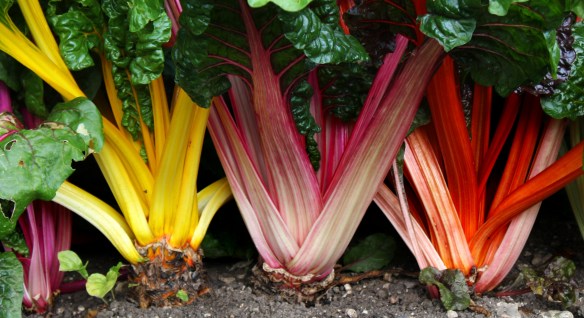
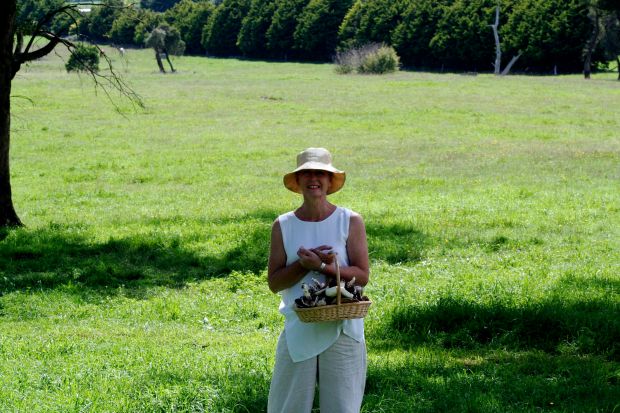
rainbowchardThough it is bucketing down as I write this, I have to still tell you that autumn is the best time to plant everything as it’s still warm enough for roots to grow into their new surroundings and the whole plant gets comfortably established and growing before next summer. So … put on your Drizabone and get out into the garden and get planting for a great spring spectacle!  I’ve just planted lots of Tuscan kale (for my healthy next door shop neighbour Suzie Anderson to take home and add to her morning juice!), ornamental kale (not to eat, just to admire), artichoke, lettuce, spinach and ruby chard at The Potting Shed Kitchen Garden … and leek, broad beans, cabbage, peas and cauliflower at home in our vegie garden .. and can’t wait to harvest it over the next few months. In early spring the combo of baby broadbeans skinned and blanched, drizzled with oil and garlic butter and sprinkled with fresh mint on grilled foccacia is unbeatable! IMG_6588And if you’re lucky enough to be on acreage or have friends who will let you harvest their paddocks, autumn is mushroom season … and there’s nothing like freshly picked mushrooms sauteed in butter on toast for breakfast … or as my mother used to do, reduced right down till the flavour is really intense, and added to casseroles or as a side with bacon and eggs. Mmmm.
Vegie and herb seedlings to plant
Broad beans, broccoli, cabbage, cauliflower, leek, lettuce, onion, peas, radish, shallots, spinach, silverbeet. Herbs: Coriander, rocket, chives, lemon grass, marjoram, mint, oregano, parsley, rosemary, thyme.

Flower seedlings to plant
Now’s the time to plant alyssum, calendula, candytuft, carnation, cinneraria, cornflower, cosmos, daisies, foxglove, lobelia, marigold, nasturtium, nemesia, pansies, poppies, primula, snapdragon, sweet peas and viola.  Most of which we have in stock at the moment at The Potting Shed.

It’s the perfect time to plant camellia sasanqua and japonica, hebe, photinia, viburnum, lilly pilly and buxus and pick your deciduous trees whilst their foliage has its vibrant autumn colour and last but not least it’s time to plant spring flowering bulbs.  More on those soon. Meantime, happy gardening!