 Yesterday I started to tell you about marmalade but in my haste, I accidentally hit publish before I had finished my story! Then the day flashed by and I had no time to return to it. As I was saying, the damper with marmalade from the new cafe in the Dirty Janes Antique Market, where we are located, is delicious. The marmalade, made by Cath, one of the owners, was a beautiful, translucent mandarin colour and was tangy and delicious. I love a good marmalade but it is surprisingly difficult to get one with enough bite. They’re all too sweet. I’ve hunted high and low and have tried all the usual famous brands, I’ve pounced on home made jars at school fetes, trawled through the Farmers Markets here and in Sydney, scouted through shops in English villages where they should know all about marmalade … and still I hunger for just the right combo of chunkiness, tartness and aroma. So I turned to Stephanie Alexander’s Cook’s Companion for help. There on page 473 she lists this lovely entry:
Seville marmalade from a competent western-district cook.
This recipe came to me from a woman who read of my failure with my first-ever Seville marmalade. She reminded me that it is most important to use fresh fruit – straight from the tree is ideal.
Seville oranges, water, salt, sugar.
Thinly slice fruit, having first removed all pips and central membrane. For every 500g prepared fruit, allow 1.8 litres water and 1/4 teaspoon salt. Simmer fruit, salt and water until peel is soft and easily squashed. Allow to rest for 24 hours in a ceramic or stainless steel bowl. Next day, measure fruit and water into a preserving pan or large stockpot using a cup. Bring to a boil and for every cup of fruit and water allow an equal measure of sugar. Return to a boil and cook for 25-30 minutes until setting or jelly stage. Bottle into hot, sterilised jars.
Reading this tip about ‘straight from the tree is ideal’, brings me to another citrus note. We have just received a lovely delivery of very healthy, vigorous, perky looking orange, lemon, cumquat, grapefruit, blood orange and lime trees. So if you too are a marmalade lover, you might like to think about putting in your own citrus grove and in a year or two you’ll have enough for your first batch of home-grown, home-made marmalade!
Visit The Potting Shed website for location and contact details.


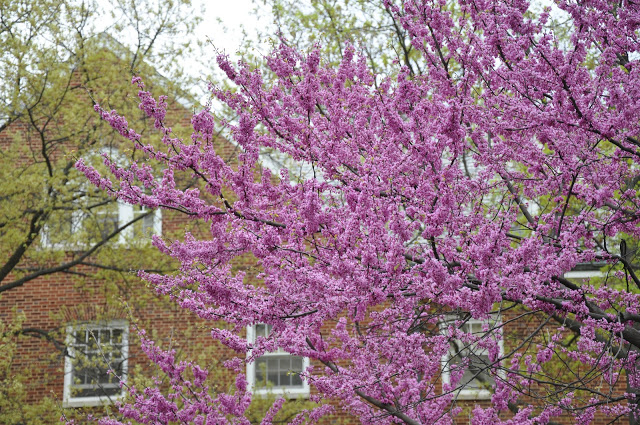

 I am so cross with myself. I had one very lovely Forest Pansy left at the shop and sold it to a young lady who was delighted with it after another customer waxed lyrical about it’s many attributes explaining what a great and beautiful tree it is. Now I wish I had brought it home for my own garden! Tomorrow I will be ordering more and snaffling one for myself – I have just the spot for it. Cercis canadensis ‘Forest Pansy’ is a very elegant small ornamental tree growing to a height of 4 metres and 4 metres wide. At the start of spring clusters of small rose pink, pea-like flowers cover the entire tree followed by shiny reddish purple, heart shaped leaves. The leaves become quite large giving a very lush appearance. In summer the older, more sheltered foliage will harden off to a deep green creating a contrast with the vibrant new growth. Autumn turns the leaves a golden colour prior to them dropping to let the winter sun back in.





 The Potting Shed