Author: Maureen Gardner

Peonies for Spring

Peonies for Spring

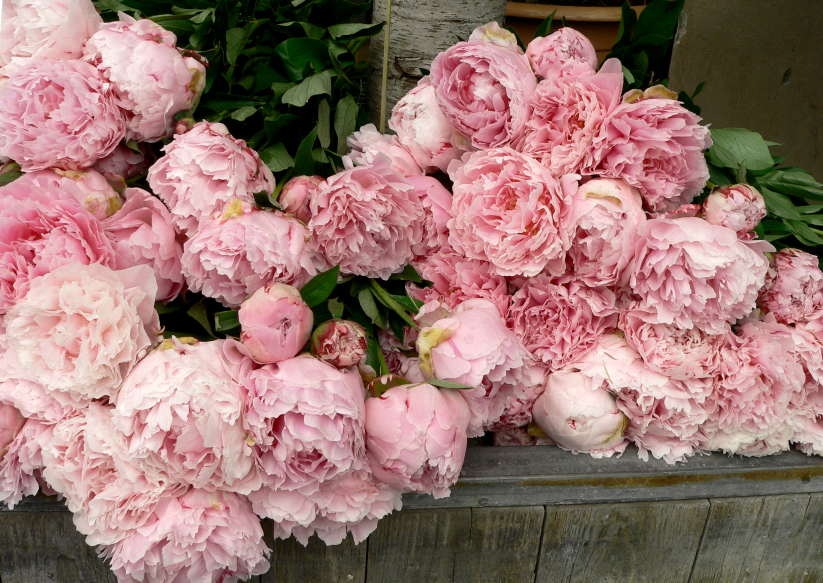
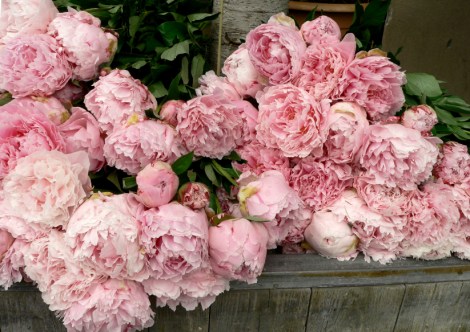
This year I ordered a collection of heirloom peonies by mail order and have made a special bed for them in a sheltered spot out of the wind and in full sun. Except for Sarah Bernhardt,  who, according to the label, likes a little shade.  Expect to pay $18 – $25 per tuber.  The ones I received from Spring Hill Peonies were a good substantial size with 5-6 eyes and in great condition.  Make sure they don’t dry out and don’t plant them too deep or they won’t flower.  The emerging ‘eyes’ should be no more than an inch below soil level.

Spring Hill have Bareroot Peony Plants for sale directly from the farm.

  • Colours – light pink Lady Alexander Duff – early bloom double head
  •                 – dark pink Madame Jos Odier – late bloom double head fragrant
  • Pick up from Farm or post
  • Postage and handling $20 small package (up to 10) $25 large package

Email order, include name, address, phone number, types and quantities, pick up or post. For more information email for a brochure.   mail@springhillpeonyfarm.com.au

Spring Hill Peonies, 1385 Kyneton Springhill Rd Spring Hill

thomas-8580

Tel: (03) 5424 8470
Mob: 0438 567 604
mail@springhillpeonyfarm.com.au                      

Shed Door Sales
For Flowers in Spring November and December
Monday to Sunday 10am til 4pm

For Bareroot stock 
Peony Roots are available in Winter in the months of late May and June
Call the owners Mac and Nicky to arrange an order and a time to visit.

Other varieties for you to consider:

Flame

The petals of this glowing pink single have an amazing sheen which offer a glorious foil to the golden stamens. Flowering very early this is not a tall growing peony but everything about it is sturdy. Thick stems, leaves and petals help the plant to cope with any inclement weather. Glasscock 1939, a cross between Paeonia lactiflora and Paeonia peregrina.

Pecher
Another early flowering variety. A low growing double which starts to open with a blush of palest pink turning to white when fully open.

Dr Creveaux

This plant presents red at every stage of it’s growth. Red shoots in the spring, red stems, red tinted leaves and when it blooms – an amazing magenta flower with glowing golden stamens. The contrast is stunningly regal – the petals like velvet and the stamens like a queen’s crown.
Miss Eckhart
The softly cupped outer petals are a wonderful shade of china pink which changes to a paler pink in the centre. The long yellow stamens are a bees delight.

Mons Charles Leveque
This peony flower is an unusual shade of dark pink. It has the mauve shade we associate with old roses, the perfume too is strongly rose like. This is another peony bred by Calot in 1861.

Catharina Fonteyn
The large outer petals are a soft shade of pink while the central petals are almost white. A glow of yellow surrounds the stamens nestled at their base.

Barbara
A beautifully formed flower of dark pink petals. The tightly curling inner petals create a stunning pink bomb which rests upon the larger guard petals. This variety flowers over a several week period late in the season.

Bunker Hill
Vibrant deep pink petals develop from a bud which promises to be pale pink. The large petals are finely edged with white and the flower is loosely formed. The plant was bred by Hollis in 1906.

Sarah Bernhardt
A large pink bloom with frill edged petals. The flower opens wide to show lovely yellow stamens. This is a very vigorous plant with dark green leaves, long strong stems and many attractive dark red side buds. It is the peony most peope see in the florist shops and is known as the ‘big pink’. If you think peonies are difficult to grow try this one. Bred by Lemoine in 1906.

Dr Alexander Fleming
A double lactiflora with very large, vibrant pink flowers. The buds are also very attractive because of the striking green and red striped calyx. We find these pretty stripes a great help when we are sorting a pile of mixed cut flowers into varieties ready for bunching.

Edulis Superba
A medium dark pink flower. The large guard petals open to reveal a ball of softly curling inner petals. Bred by Lemon in 1824.

Madam Calot

This flower is a double pink lactiflora. The guard petals are a pale pink and the centre is a froth of cream and palest pink petals. The plant was bred by Miellez in 1856.

Shirley Temple
The dark green leaves of this plant are a wonderful contrast to the flower of delicate marshmallow pink. The flower gradually turns a snowy white . This variety flowers prolifically.

Springfield
A flower with unusually coloured large loose petals. They are a vibrant pink at the base while the outer edges shimmer a paler silvery pink. Rich yellow stamens gleam down deep among the froth of petals. This is a very tall vigorous bush. Bred by Kreckler in 1962.

Queen Victoria
An old variety and one of the earliest to flower at Highcroft. The guard petals are pale pink while the central petaloids are cream. It’s a vigorous plant with lovely red shoots apearing late in the winter.

Jadwega
One of our latest varieties, some years flowering right up until Christmas. This is an unusual peony because each plant has some dusky pink flowers plus an equal number of hot pink blooms with a pale frill. The leaves are round, crickled and almost an olive colour when compared to the deep green of the lactifloras.

Boule de Neige
NEW Boule de Neige – A lovely white double,similar to Festiva Maxima but instead of streaking some petals have a very fine frill of magenta. Heavy dark foliage with strong stems. Calot 1867.
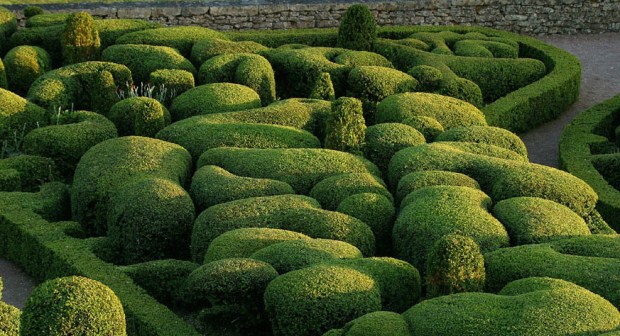
 

Marqueyssac in the Dordogne

Marqueyssac_2

Marqueyssac_3Inspired by the lovely gardens of the late Nicole de Vesian in Provence, I am working on developing a clipped garden to the north of our kitchen, so the view from our balcony will always be green and orderly.  Not that I’m really the orderly type – but over the past few years I have found the profusion of roses, foxgloves and delphiniums I had planted in long and deep perennial beds, slightly overwhelming and busy.  And  when the gorgeous, blowsy spring show is over and the harsh light of the Australian summer burns out the colour,  the effect looks raggedy very quickly.   And by Christmas it is tired and hot and exhausted.

So bit by bit I’m removing all the flowering perennials from the section closest to the house and replacing them with clipped box, cistus, bay, Viburnum Tinus and  miniature abelia.  It requires a lot of patience as the plants need to be spaced far enough apart for future growth and so there’s a lot of mulch still on view!  But one day, I am dreaming of a view such as this seen at  the Château de Marqueyssac. 

The Gardens Of Marqueyssac

Comfortably nestled into the hills of Perigord are the Gardens Of Marqueyssac. The gardens were planted in 1861 by Julien De Cerval – a maniacal gardener who gave the last thirty years of his life to build Marqueyssac. Boxwoods were chosen as a key plant of the garden because of their fullness, robust texture, and radiant green color. Every path in the garden was put there with an acute intent, what seems accidental and whimsical, was in fact carefully thought out.  De Cerval wanted to create a romantic experience for the garden’s visitors where they would get lost within the paths and enjoy the organic shapes of the plants. In recent years the gardens and nearby castles went under a full renovation to restore De Cervals early dream of the garden and bring people from all over the world to witness it.


Asparagus love

Image

In May this year, following a memorable visit to London’s Chelsea Flower Show,  RHS Wisley, Hidcote, Daylesford and various theatre and gallery outings, we had lunch at Petersham Nurseries .  It was impressive – simple, seasonal, perfectly prepared and presented.  Paul and I ordered the asparagus starter – served simply with boiled eggs, a capsicum and chilli coulis and sprinkled with edibles.  So fresh and full of flavour … truly delicious.  Inspired, I came home and planted more asparagus in the garden.  You have to wait for a few years to get a good crop, but once established your crowns will deliver daily  delights each Spring for 20 years or more.  There is nothing like the taste of those spears cut early in the morning and poached quickly for the breakfast plate.  Just add butter.  Don’t mess around with asparagus … it’s paradise just on its own if picked fresh.  And then overnight, as if by magic, up they come again, little lovely fat spears waiting to be cut again the following day.  I’ll never forget one year at Country Trader‘s very swanky Christmas party there were giant bowls of asparagus in the most extravagant display I’d ever seen … voluminous bunches accompanied by Hollandaise sauce. Dip, sip, dip, sip.  Bollinger Champagne and fresh, warm asparagus … heaven!

So whether you’re growing your own or buying from the local Farmers Markets here’s what goes well with asparagus, as advised in Stephanie Alexander’s Cook’s Companion:

artichokes
bacon
breadcrumbs
butter
capers
chervil
chives
cream
eggs
gruyere cheese
ham
light soy sauce
mushrooms
mustard
olive oil
oranges
parmesan cheese
parsley
potatoes
raclette cheese
sesame oil
smoked salmon
spinach
tarragon
walnuts

Petersham Nurseries visit

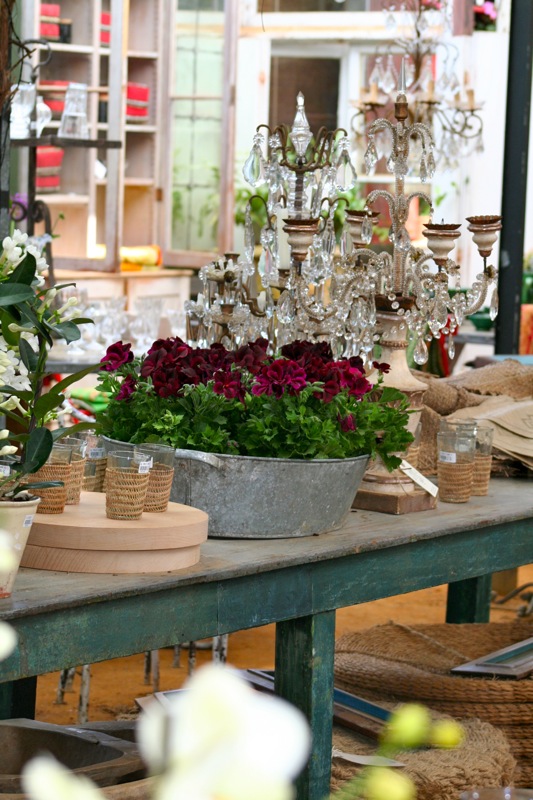
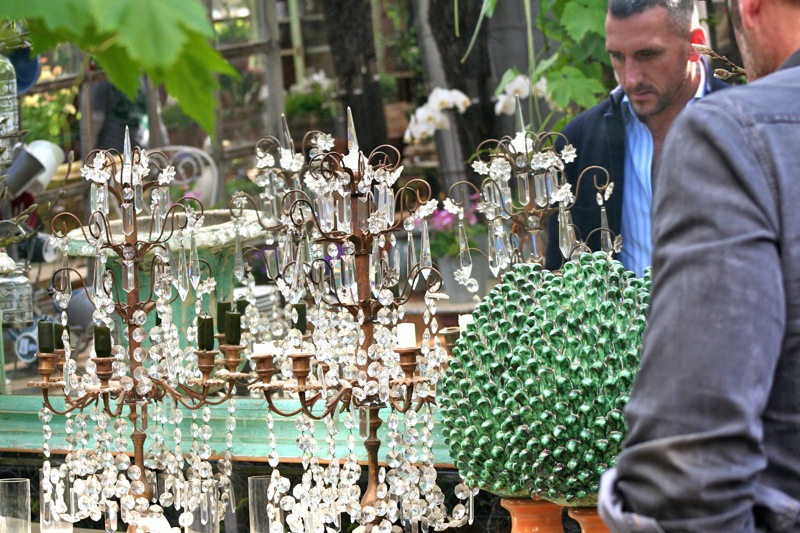
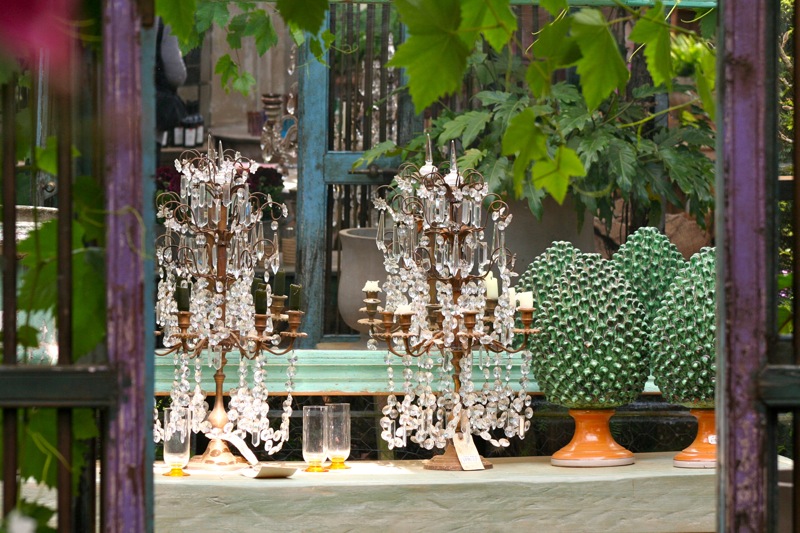
I visited London last May to attend the Chelsea Flower Show which was, as always amazing … but for me, an even more enjoyable highlight of this visit was a trip to Petersham Nurseries.  It had long been on my list to visit and I was keen to try the restaurant made famous by Australian chef Skye Gyngell.  As it turned out Skye had recently left and another Aussie girl was heading up the kitchen.  The food was sensational and the atmosphere of this unique venue is uplifting and inspiring.  These lovely old glass buildings have been converted into restaurant (still with dirt floor), chic cafe, gift shop and nursery.  It’s gorgeous.  Completely stunning.  Be sure to add it to your list when next you’re in London.   It’s not a garden persay, but so lavish in gardenalia it’s a must see for gardening enthusiasts and anyone who appreciates really clever retail and creative merchandising.

IMG_7205 _MG_7183 _MG_7204 IMG_7187 IMG_7198 IMG_7208 IMG_7207

Inspired by Monet’s Garden

Today I’m making plans for a little waterfall into our new duck pond.  This will aerate the water and provide a pleasant watery sound in the garden.  The plan is that it will emerge mysteriously from a densely planted shrubbery and meander down a pebble lined creek bed, under a little bridge and into the pond where the ducks like to play.  I need to be sure about the right plants for such a feature so that it will look appealing but natural and not too contrived.  Of course there is no lovelier water feature than the one in the images below – the spectacular water lily ponds at Monet’s Garden near Giverny in France.

I visited Monet’s Garden with my brother Peter back in 1988 when it had not long been opened to the public after a major restoration by an American philanthropist.  What an experience … standing in Monet’s very bedroom  looking out over the gardens that inspired so much of his work.  He made the gardens especially to provide subject material without ever having to leave home!  Planting over the years on a massive scale to create swathes of light and shadow, blocks of colour and magical water features to challenge his ability to paint reflected light.  If you’ve never been, go! About one hour from Paris by train – stop at Giverny and take a short 3 mile taxi ride to the gardens.  No picnicking allowed, so be sure to eat something first … and take your best camera.  There are many books about this wonderful garden, and ‘The Magic of Monet’s Garden’ is my favourite.

Image

Image

The Magic of Monet's Garden

Impressionist Claude Monet (1840-1926) created a magnificent five-acre garden that he considered to be his greatest artistic achievement. It was restored in 1980 and is now the most visited garden of its size in the Western world. With its spectacular color combinations and distinctive structural elements, the Monet garden at Giverny, France, inspires the dreams of thousands of gardeners.

Award-winning garden writer and photographer Derek Fell has visited Giverny many times and always admired the beauty of its plantings and the subtle balance of colors. After years of carefully studying Monet’s design and plantings, he shares the artist’s secrets. In The Magic of Monet’s Garden, Fell reveals Monet’s breathtaking color harmonies and describes how the artist “painted” his living masterpiece. He guides the reader on how to scale down Monet’s ideas for the home garden, with attention to:

  • Understanding the laws of colors
  • Building color harmonies
  • Creating innovative combinations
  • Recognizing the power of monochromatic plantings
  • Using black in the garden
  • Working with structure and form
  • Building rhythm and surprise
  • Capitalizing on sunlight and shadow
  • Incorporating water features
  • Attracting birds and butterflies.

With 175 color photographs and illustrations and a dozen detailed planting plans, The Magic of Monet’s Garden will inspire and instruct home gardeners to create their own versions of Giverny.

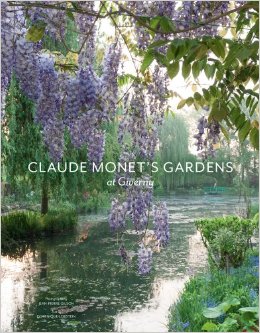
And another you will love is entitled Claude Monet’s Gardens at Giverny.

 claude monet's garden

The French Know Flowers

parisflowersEverywhere you look in France there are flowers.  On every corner another stunningly beautiful flower shop.  At every market, stalls of proudly displayed blooms – buckets and baskets of them as far as the eye can see.  Postnote: We will be offering seasonal cut flowers on weekends at The Potting Shed and we are busily sourcing local growers for peonies, hydrangeas, old world roses and heirloom perennials.  If you are a grower and have product to sell, please don’t hesitate to contact me on 0419 154 860.

The wonders of La Chassagnette in Camargue

La Chassagnette 10

La ChassagnetteI found this article in France Today which I thought you might enjoy.

The Camargue—that wide strip of land between sky and sea that stretches across arms of the Rhône—is not just a paradise for birds and white horses. Its marshes are put to work producing crystalline salt, its broad flatlands produce some of the world’s finest rice, and its grassy fields are home to black cattle whose lean, delicious meat is recognized for its healthful properties.

If you have time for only one restaurant in the Camargue, it should be Armand Arnal’s La Chassagnette. Seemingly out in the middle of nowhere, the tall, quiet chef presides over a restaurant both simple and sophisticated. Simple, because he uses only fruits and vegetables from his own organic garden, no matter the season. His immense potager, which inspires rapt admiration in most visitors, produces treasures he transforms into the most elegant of dishes. For Arnal, vegetables are not an accompaniment but a noble product, worthy of all his attention, and ours. It’s sophisticated, because he knows how to take a fish, caught that morning or the night before, and use it to compose a dish that seems quite unpretentious but is the result of some fairly profound thought. Take the marinated lisette, a small mackerel that he serves with a broccoli purée, black sesame and preserved lemon; or the duck raised in the rice fields, served with ribbons of root vegetables in a sweet-and-sour sauce and a sprinkling of caramelized pine nuts; or the dessert of fennel sorbet, vanilla granité and fennel confit. Born in Montpellier, Arnal formerly worked with Alain Ducasse, notably in his New York restaurant for several years. Arriving at La Chassagnette in 2006, he won a Michelin star in 2009. Although he’s proud of it, he says a star was not his primary motivation— what he likes is creating cuisine tied to its locality, and in the Camargue he has found his niche. Route de Sambuc (betwee Arles and Le Sambuc)04.90.97.26.96 www.chassagnette.fr

The Queen Mother’s garden

A story about geraniums and the Queen Mother's garden


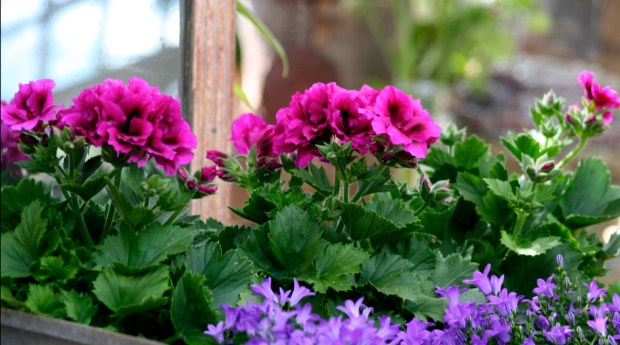
Years ago on one of my trips to London, I took a train to Cambridge and got lost down a country lane.  Walking in a daydream through the prettiness that is Cambridge in May, past grazing goats and children on bikes, I turned into a gate to ask for directions.  I was met by an elderly gardener in a tweed vest and cap who smiled kindly at me as I explained my dilemma and from whence I had come.  All the way from Australia and now lost in the woods with no idea how to get back to the village.  He led me into the garden and offered me a cup of tea as he had just boiled the kettle.  It turned out this was the garden where the Queen Mother’s prize winning geraniums were grown!  What a treat.  Here I was in the private domain of one of Britain’s most beloved royals.  We had tea, I was shown the hothouses where row upon of terra cotta pots lined the benches in a profusion of colour and gorgeousness.  It was a fleeting visit but I have never forgotten it.  Naturally.

The perfection of peonies

Red Cow FarmNothing compares with the luxury of peonies – as seen here in this sumptuous display on the Jo Malone stand at Chelsea Flower Show.

Botanical art

Botanical art